written by kk smart living
Introduction: The Emergence of Connected Urban Living
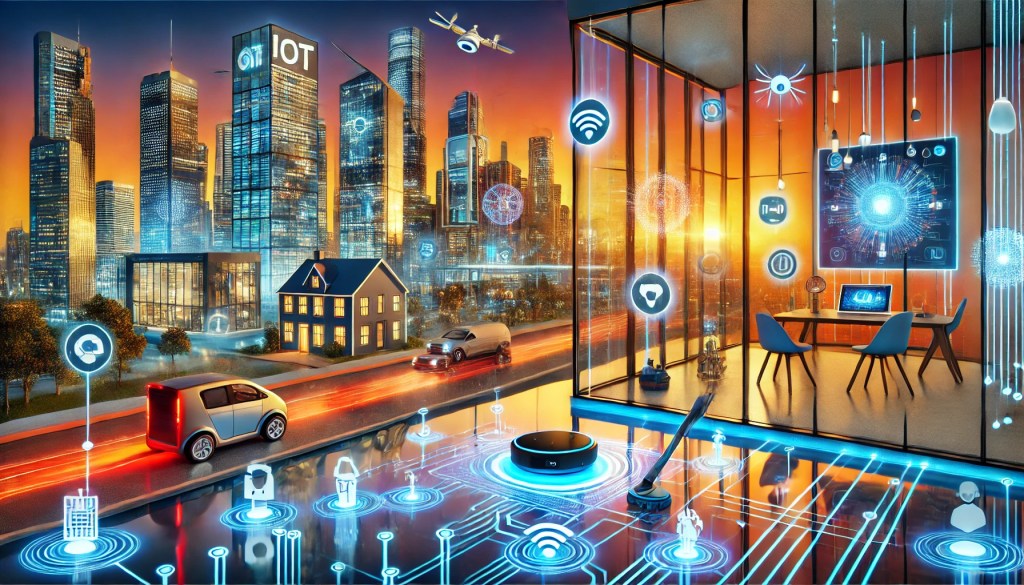
In the past decade, the term “smart city” has gone from being a futuristic buzzword to a concrete vision for urban development. At the heart of this transformation is the Internet of Things (IoT), which is revolutionizing how cities operate, how residents interact with their environments, and how resources are managed. But what exactly makes a city “smart,” and how does IoT fit into the picture?
Smart Cities Defined
A smart city uses advanced technologies—primarily IoT devices and systems—to gather data, improve efficiency, and provide better services to its residents. This goes beyond installing a few connected devices; it involves creating an interconnected ecosystem where information flows seamlessly from sensors and devices to central control systems that analyze and act on it in real-time.
The Role of IoT in Smart Cities
IoT is the cornerstone of any smart city initiative. Consider some of the key applications:
- Smart Traffic Management: IoT sensors in roads and traffic lights can monitor congestion, adjust signal timings, and even reroute vehicles. This leads to shorter commute times, reduced emissions, and safer roads.
- Connected Public Utilities: Smart meters for water and electricity help cities detect leaks, prevent outages, and promote energy efficiency. Residents can also receive real-time updates on their usage, empowering them to conserve resources.
- Public Safety and Emergency Response: Surveillance cameras, environmental sensors, and connected communication networks help authorities respond more quickly and effectively to emergencies. IoT enables predictive maintenance on infrastructure, reducing the risk of accidents and failures.
LORAWAN: The Network Backbone
A reliable, cost-effective communication network is essential for any smart city, and that’s where LORAWAN (Long Range Wide Area Network) shines. Known for its ability to connect a large number of devices across wide distances with minimal power consumption, LORAWAN ensures that sensors and systems remain operational around the clock. This technology allows cities to scale their IoT initiatives rapidly, adding new devices and services without overhauling their existing infrastructure.
Integrating Tuya and Home Automation
While the focus of smart cities often leans toward public infrastructure, the benefits extend into private homes as well. Tuya’s versatile home automation platform allows residents to control lighting, appliances, and security systems from a single interface. This integration means that homes can become an active part of the city’s smart grid. For instance, automated energy management in households can contribute to overall grid stability during peak times, making the entire urban area more sustainable.
Benefits for Residents and City Administrators
From the resident’s perspective, a smart city offers convenience, safety, and a better quality of life. Public transportation runs more smoothly, utilities are more affordable, and neighborhoods feel safer. For city administrators, IoT and automation mean more accurate data for decision-making, lower operating costs, and the ability to deliver better services with fewer resources.
Challenges and Considerations
Of course, the journey toward fully realizing the smart city vision is not without challenges. Privacy and data security are major concerns, as cities must ensure that the massive amounts of data collected are protected from breaches. There’s also the need for standardized protocols so that devices from different manufacturers can work together seamlessly. Finally, cities must consider the social implications of technology-driven development, ensuring that smart city initiatives benefit all residents, not just those with the latest gadgets.
Looking Ahead
As IoT technology matures, smart cities will become even more intelligent and adaptive. Innovations such as edge computing, advanced AI analytics, and 5G connectivity will enhance the speed, accuracy, and scope of IoT applications. Cities will continue to form partnerships with technology providers, leveraging platforms like Tuya and networks like LORAWAN to create more efficient, responsive, and sustainable urban environments.
Conclusion
The rise of smart cities is a testament to the power of IoT to transform urban life. By blending connectivity, data analytics, and automation, these cities are setting a new standard for how we live and work. As KK Smart Living continues to track and explore these developments, stay tuned to our blog for more in-depth coverage of the latest IoT trends shaping the world around us.
 Kk Smart Living
Leave a comment