Today’s energy systems face an array of challenges: aging infrastructure, the rise of renewable energy, and fluctuating demand patterns. IoT technologies are stepping in to provide a solution by revolutionizing the way energy grids operate. Recent developments in Europe and Asia highlight how IoT-connected sensors, meters, and platforms are enabling utility providers to build smarter, more resilient grids that benefit both suppliers and consumers.
The Push for a Smarter Grid
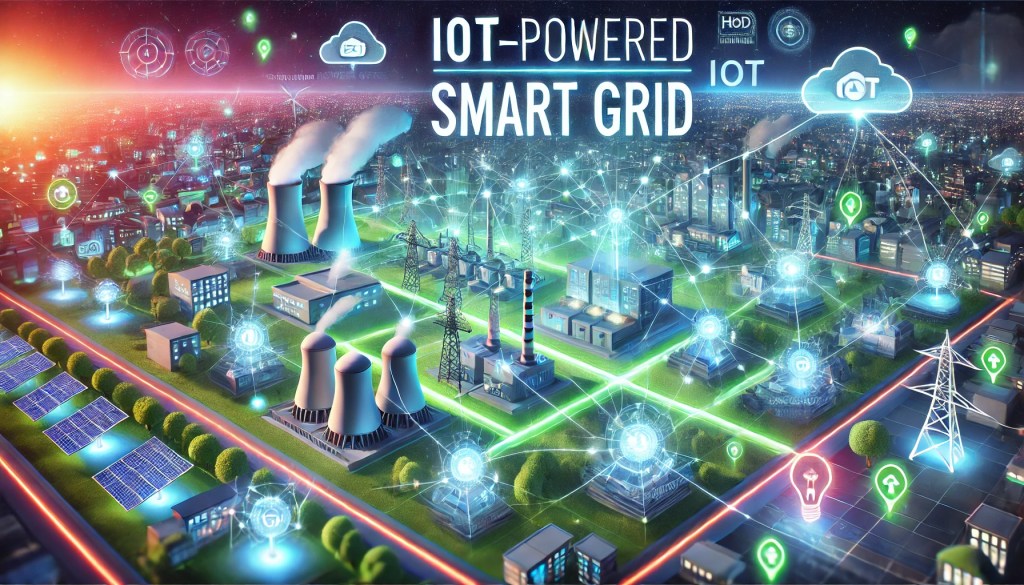
A smart grid represents a significant evolution from traditional power systems. Rather than relying solely on centralized power plants and one-way energy flows, a smart grid leverages digital communication, automation, and advanced analytics to manage electricity more efficiently. IoT devices are at the heart of this transformation, offering real-time data collection, remote monitoring, and predictive insights.
In recent news, European utilities have deployed IoT-enabled fault detectors along critical transmission lines. These sensors provide granular data on voltage fluctuations, equipment health, and environmental conditions. The result? Crews can identify issues in real time, dispatch repair teams faster, and prevent outages that would have otherwise gone unnoticed. On the other side of the world, Asian utility companies are integrating IoT platforms into their renewable energy projects. With IoT devices monitoring weather patterns, turbine efficiency, and energy storage levels, these companies can optimize the input from solar farms and wind parks—maximizing output and reducing wastage.
Key Innovations Powered by IoT
• Fault Detection and Prevention: One of the most immediate benefits of IoT in smart grids is the ability to detect equipment failures before they occur. IoT sensors continuously measure conditions along power lines and within substations. When abnormalities are detected—like temperature spikes in transformers or unexpected voltage drops—utilities can respond before these issues escalate into costly outages. This not only improves reliability but also extends the lifespan of critical infrastructure.
• Demand Response and Consumer Engagement: Another area where IoT shines is in demand-side management. Smart meters and connected home devices enable real-time communication between utilities and end-users. During peak consumption hours, utilities can send alerts to customers, prompting them to reduce usage. IoT-connected thermostats and appliances can even adjust automatically, flattening demand curves and preventing grid overloads. This more dynamic, responsive approach benefits everyone—reducing costs for consumers, lowering emissions, and creating a more stable power system.
• Renewable Energy Integration: As renewable energy sources like solar and wind become more widespread, their intermittent nature poses challenges for grid operators. IoT devices help smooth out these fluctuations by providing detailed data on production levels, weather conditions, and energy storage capacity. This data allows grid operators to shift power loads, allocate stored energy during low-production periods, and ensure a steady supply of electricity. By making renewable energy more reliable, IoT technology supports the transition to a cleaner energy mix.
The Road Ahead
As utilities continue to adopt IoT-driven solutions, the long-term benefits extend beyond operational improvements. By enhancing grid reliability and efficiency, these technologies help pave the way for energy systems that are both more sustainable and more affordable. Advanced data analytics, supported by IoT, allow for more precise forecasting, efficient maintenance schedules, and better long-term planning. In addition, improved grid resilience means fewer disruptions during natural disasters or cyberattacks.
Challenges remain, of course. Utilities must address concerns around data security, interoperability between different devices and platforms, and the upfront costs of IoT infrastructure. Yet, as these hurdles are overcome, the potential gains far outweigh the initial investment. The integration of IoT into smart grids not only helps reduce operational costs and improve service quality but also contributes to global climate goals by making cleaner energy more accessible.
The future of energy lies in intelligent, interconnected systems that respond to change in real time. IoT is no longer just a buzzword; it’s a critical tool for transforming our power grids into responsive, resilient, and sustainable networks. With recent advancements and ongoing innovation, the smart grid of tomorrow will rely heavily on IoT technology to deliver clean, reliable power to homes and businesses around the world.
 Kk Smart Living
Leave a comment