
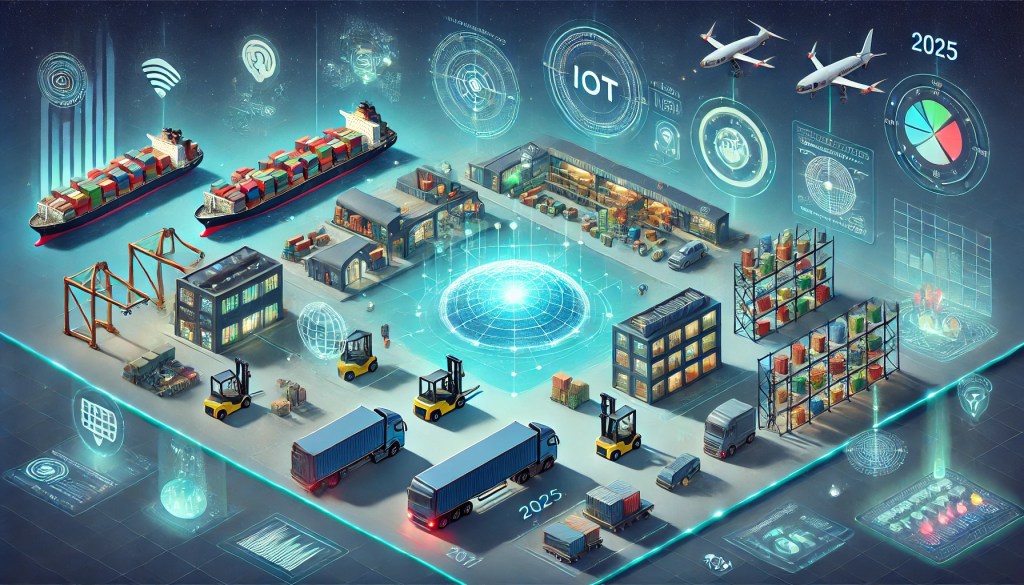
The Internet of Things (IoT) continues to transform industries around the world, and today’s focus is on its profound impact on the global supply chain. With more businesses facing pressure to deliver goods faster, cheaper, and more sustainably, IoT technologies are stepping in to offer solutions that were once considered science fiction.
Introduction: The Need for Smarter Supply Chains
As supply chains grow increasingly complex, the demand for efficiency and transparency has never been higher. Traditional methods of tracking shipments, monitoring warehouse conditions, and managing inventory often fall short in a world where delays, quality issues, and unexpected disruptions can have ripple effects. IoT provides the ability to collect and analyze data at every stage of the supply chain, enabling businesses to respond to challenges in real time and anticipate future obstacles.
Key Innovations Transforming Supply Chains
1. Real-Time Asset Tracking
IoT-enabled GPS trackers and RFID tags provide accurate, up-to-the-minute information on the location and status of goods in transit. This visibility helps companies prevent losses, reduce delays, and optimize routes. If a shipment is delayed at a port, IoT sensors can trigger immediate alerts so that alternative routes or suppliers can be activated.
2. Condition Monitoring for Perishable Goods
For industries dealing with food, pharmaceuticals, and other temperature-sensitive products, IoT sensors ensure that conditions remain ideal throughout transit. Connected temperature and humidity sensors send real-time data to central systems, allowing logistics managers to adjust conditions or reroute shipments before quality is compromised. This level of control not only reduces waste but also ensures compliance with stringent regulatory standards.
3. Warehouse Automation and Inventory Management
IoT-driven automation is streamlining warehouse operations. Smart shelves, connected forklifts, and automated sorting systems ensure that inventory levels are always accurate. When stock levels run low, IoT systems can automatically generate purchase orders. In addition, predictive analytics powered by IoT data help warehouse managers forecast demand, preventing stockouts and overstocking.
4. Predictive Maintenance for Fleet Management
IoT technology is extending beyond goods to the equipment that transports them. Connected sensors on trucks, cargo ships, and drones provide continuous monitoring of vehicle health. By analyzing this data, companies can predict when maintenance is required, reducing downtime and avoiding costly repairs. This approach ensures that deliveries remain on schedule and costs are kept in check.
5. Improved Supply Chain Transparency
Consumers and regulators are increasingly demanding transparency regarding the origin and journey of products. IoT-powered solutions can create a digital thread for each item, detailing every touchpoint from production to delivery. Blockchain integration with IoT devices enhances traceability, giving businesses and consumers confidence in the authenticity and ethical sourcing of products.
Addressing Challenges with IoT Adoption
While the benefits of IoT in supply chain management are clear, there are challenges to consider. The initial investment in IoT infrastructure, such as sensors, gateways, and platforms, can be significant. Companies must also navigate issues related to data security, as more connected devices mean more potential entry points for cyber threats. Finally, ensuring interoperability among a variety of IoT devices and platforms remains a priority, as businesses often rely on multiple vendors and legacy systems.
The Role of Emerging Technologies
As IoT continues to evolve, complementary technologies are enhancing its value. 5G connectivity is enabling faster data transmission and supporting larger networks of connected devices. Artificial intelligence and machine learning are helping businesses analyze the massive amounts of data generated by IoT devices, uncovering patterns and making recommendations that improve efficiency and reduce costs.
Conclusion: The Future of IoT in Supply Chain Operations
In 2025, IoT is not just a tool for monitoring shipments or tracking inventory—it’s a strategic advantage that helps businesses stay competitive in an increasingly globalized market. By enabling real-time visibility, improving quality control, automating processes, and providing predictive insights, IoT is setting the standard for modern supply chain operations. As more companies embrace this technology and address its challenges, the potential for even greater efficiency, sustainability, and customer satisfaction will continue to grow.
1. #IoT
2. #SupplyChain
3. #AssetTracking
4. #SmartWarehousing
5. #PredictiveMaintenance
6. #ConnectedLogistics
7. #DigitalSupplyChain
8. #IoTSolutions
9. #TransparencyInSupplyChain
10. #BlockchainIntegration
11. #RealTimeData
12. #WarehouseAutomation
13. #FleetManagement
14. #SmartSensors
15. #SupplyChainInnovation
16. #TechInLogistics
17. #DataDrivenSupplyChain
18. #IoTInAction
19. #SustainableSupplyChain
20. #ConnectedCommerce
 Kk Smart Living
Leave a comment