
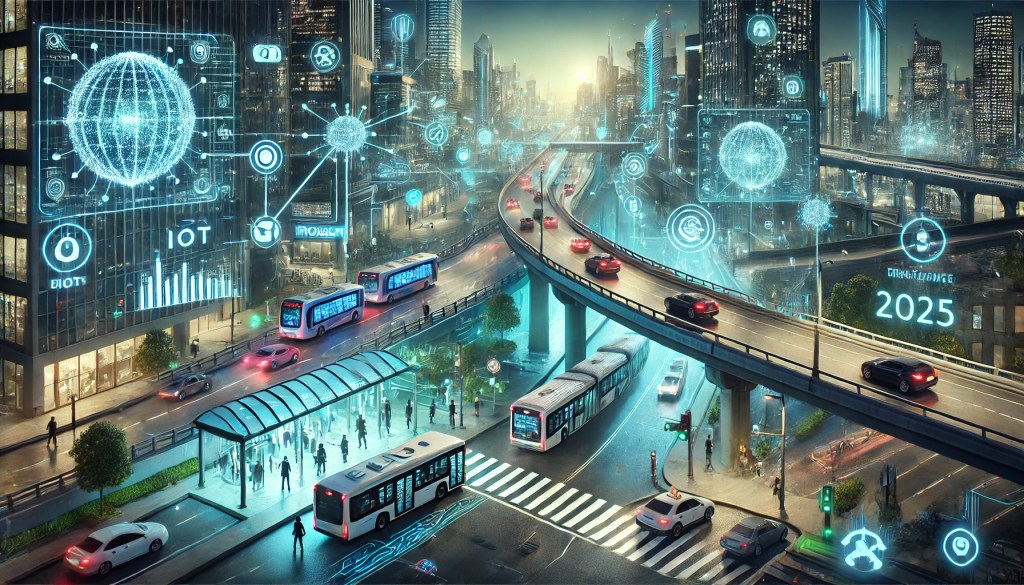
As cities around the globe grapple with rising populations, worsening congestion, and increasing demands for sustainability, the Internet of Things (IoT) is stepping in as a transformative force. In 2025, urban mobility is no longer just about moving people and goods efficiently—it’s about reimagining how transportation systems, infrastructure, and data converge to create more connected, resilient, and environmentally-friendly cities.
The Need for Smarter Urban Mobility
Urban centers have always been a hub for economic activity and innovation, but they also face critical challenges: traffic congestion that costs billions in lost productivity, escalating greenhouse gas emissions, and public transit systems struggling to meet demand. IoT offers a way forward by enabling cities to collect, analyze, and act on real-time data from vehicles, infrastructure, and travelers. The result is a shift toward smarter, more integrated urban mobility solutions that benefit both residents and the environment.
Key IoT-Enabled Mobility Trends
1. Connected Traffic Management Systems
IoT-powered sensors embedded in roadways, traffic lights, and parking spaces provide cities with an unprecedented level of real-time visibility into traffic flows. By analyzing this data, city planners can optimize signal timing, reroute vehicles during peak congestion, and even predict traffic patterns before they occur. The result is smoother traffic flow, shorter commutes, and a substantial reduction in fuel consumption and emissions.
2. Smart Public Transit
IoT devices are revolutionizing public transit by improving operational efficiency and enhancing the passenger experience. Connected buses, trains, and trams provide live updates on arrival times, occupancy levels, and potential delays. This information is seamlessly integrated into mobile apps, allowing commuters to plan their journeys more effectively. Furthermore, IoT-enabled predictive maintenance ensures that vehicles stay in service longer and breakdowns are minimized, improving reliability and reducing downtime.
3. Dynamic Ride-Sharing and Mobility-as-a-Service (MaaS)
The rise of IoT has accelerated the shift toward Mobility-as-a-Service models, where various transportation options—such as ride-sharing, bike-sharing, and public transit—are integrated into a single, user-friendly platform. IoT sensors track the location and availability of shared vehicles, making it easy for commuters to find the nearest option. This approach not only reduces the need for private car ownership but also contributes to less congestion and lower emissions.
4. Autonomous Vehicles and Smart Infrastructure
While fully autonomous vehicles are still on the horizon, IoT is laying the groundwork by connecting vehicles to each other and to surrounding infrastructure. Vehicle-to-Infrastructure (V2I) and Vehicle-to-Vehicle (V2V) communication systems allow cars to “talk” to traffic lights, pedestrian crossings, and other vehicles, enhancing safety and efficiency. These systems can warn drivers about potential hazards, suggest alternative routes, and even coordinate vehicle movements at intersections to prevent traffic jams.
5. Sustainable Urban Logistics
IoT is also transforming how goods move through cities. With connected delivery vehicles, real-time tracking of shipments, and intelligent routing algorithms, urban logistics is becoming faster and more efficient. IoT-enabled lockers and smart loading docks ensure that packages reach their destinations without delays, while electric and hybrid delivery fleets help reduce the environmental impact of last-mile logistics.
Challenges and Considerations
Despite the clear benefits, implementing IoT-driven urban mobility solutions is not without its hurdles. Infrastructure upgrades require significant investment, and interoperability between different systems and devices can be complex. Cybersecurity is also a pressing concern, as connected systems must be protected against hacking and data breaches. Moreover, ensuring that these technologies are accessible and equitable for all residents—regardless of income or location—is crucial to their long-term success.
The Road Ahead: The Future of IoT and Urban Mobility
Looking ahead, IoT will play an even more central role in shaping urban transportation systems. As 5G connectivity becomes more widespread, cities will be able to handle larger volumes of data and support more advanced applications. AI and machine learning will further enhance predictive capabilities, helping cities optimize routes, reduce energy consumption, and anticipate future mobility needs. Additionally, the integration of renewable energy sources into IoT-powered transportation systems will help cities achieve ambitious sustainability targets.
In 2025, IoT is redefining urban mobility by creating smarter, more connected, and more sustainable transportation ecosystems. From optimizing traffic management and public transit to enabling new Mobility-as-a-Service models and autonomous vehicle infrastructure, IoT is helping cities meet the challenges of growing populations and climate change. While obstacles remain, the ongoing advancements in IoT technology ensure that cities can move toward a future where urban mobility is safer, more efficient, and more environmentally friendly than ever before.
Tags
• #IoT
• #SmartCities
• #UrbanMobility
• #ConnectedVehicles
• #SmartTrafficManagement
• #IoTInTransportation
• #MobilityAsAService
• #AutonomousVehicles
• #SustainableLogistics
• #PublicTransitInnovation
• #IoTSolutions
• #SmartInfrastructure
• #5GTransportation
• #SmartUrbanPlanning
• #FutureMobility
• #SmartTransit
• #GreenCities
• #TransportationTech
• #DigitalUrbanization
• #IoTInnovation
 Kk Smart Living
Leave a comment