The short-term rental market has exploded in recent years, with platforms like Airbnb, Vrbo, and Booking.com giving property owners access to a global audience of travelers. However, as the industry grows, so do the challenges of managing multiple properties, ensuring consistent guest experiences, and maintaining operational efficiency. In 2025, the Internet of Things (IoT) is becoming an essential tool for short-term rental managers. By integrating smart devices, sensors, and connected platforms, IoT not only streamlines property management but also enhances the guest experience, improves security, and boosts profitability.
The Rise of IoT in Short-Term Rentals
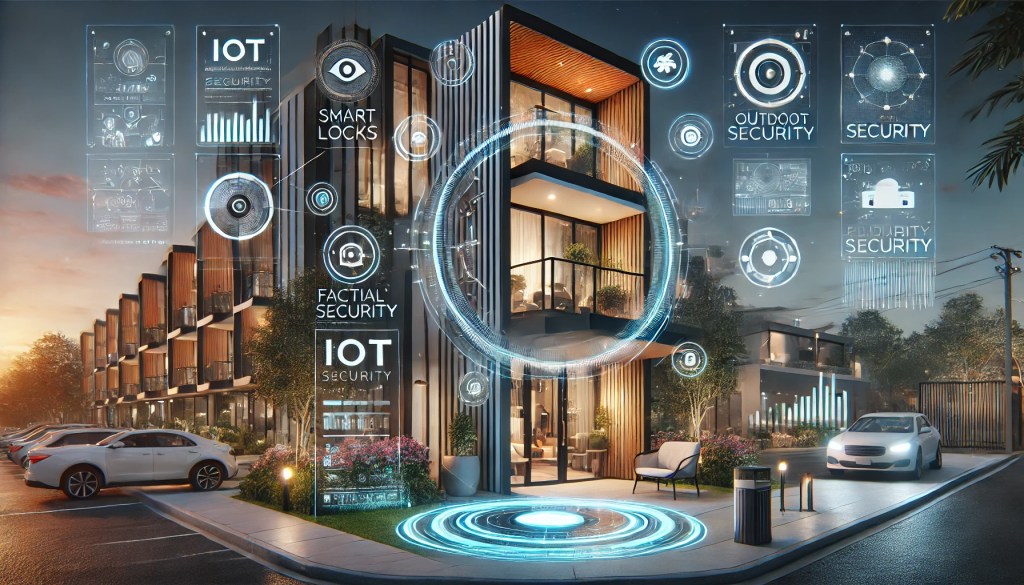
Short-term rental properties often require high turnover rates, rapid response times, and the ability to manage multiple units remotely. Traditional property management methods—relying on manual processes and constant onsite visits—can be inefficient and time-consuming. IoT provides a solution by enabling remote control and real-time monitoring of rental properties. From smart locks and climate control systems to connected security cameras and predictive maintenance sensors, IoT empowers property managers to handle their portfolios more effectively and create better experiences for both guests and owners.
Key Applications of IoT in Short-Term Rental Management
1. Seamless Check-Ins with Smart Locks
One of the most immediate benefits of IoT is the ability to offer self-check-in options. Smart locks enable guests to access properties with a unique code sent to their smartphones. This eliminates the need for key exchanges and reduces the risk of lost keys. For property managers, smart locks provide a detailed log of entries and exits, helping them track occupancy and improve security.
2. Remote Temperature and Lighting Control
Smart thermostats and lighting systems allow managers to optimize energy usage while ensuring comfort. Properties can be pre-cooled or heated before a guest’s arrival and automatically switch to energy-saving modes once they leave. This not only reduces energy costs but also aligns with sustainable tourism practices, a growing priority for eco-conscious travelers.
3. Enhanced Security with IoT Cameras and Sensors
IoT-enabled security cameras and motion sensors provide 24/7 monitoring. Property managers can view live video feeds, receive alerts about unusual activity, and even detect when doors or windows are left open. This added layer of security helps deter unauthorized access and gives both guests and owners peace of mind.
4. Streamlined Maintenance and Repairs
IoT devices monitor the health of appliances, HVAC systems, and other critical infrastructure. When a problem is detected—like a malfunctioning water heater or a refrigerator that’s not cooling—managers receive immediate notifications. Predictive maintenance reduces downtime and prevents costly repairs by addressing issues early. This ensures that guests experience fewer disruptions and property owners save money on emergency repairs.
5. Real-Time Guest Communication and Personalization
Smart devices and IoT platforms can also enhance communication. Connected voice assistants or in-room tablets allow guests to request extra towels, adjust room settings, or get recommendations for local attractions. By using IoT data, property managers can anticipate guest needs and tailor experiences—such as providing a favorite coffee brand or suggesting a popular restaurant—leading to higher guest satisfaction and positive reviews.
Challenges and Considerations
While the benefits of IoT are clear, short-term rental managers should also consider the challenges. Implementing IoT devices involves upfront costs, including purchasing hardware, setting up platforms, and training staff. Data security and guest privacy are critical concerns, requiring robust cybersecurity measures and transparent data policies. Additionally, ensuring compatibility among various devices and platforms can be complex, especially for managers overseeing multiple properties with diverse setups.
The Future of IoT in Short-Term Rentals
Looking ahead, IoT’s role in short-term rental management will continue to expand. Artificial intelligence and machine learning will enhance IoT platforms, enabling them to learn guest preferences, predict booking trends, and suggest dynamic pricing adjustments. Blockchain technology may improve trust and transparency, helping ensure secure transactions and reliable review systems. As IoT technologies become more affordable and accessible, even small-scale property managers will be able to leverage these tools to improve efficiency and compete in the growing short-term rental market.
Conclusion
IoT is transforming the short-term rental industry, offering property managers the ability to streamline operations, improve security, and deliver more personalized guest experiences. From smart locks and energy-efficient devices to predictive maintenance and AI-driven insights, IoT solutions are helping short-term rental operators meet the demands of today’s fast-paced market. While challenges remain, the benefits far outweigh the costs, positioning IoT as a game-changer for property managers and an essential component of modern short-term rental management.
Tags
• #IoT
• #ShortTermRentals
• #SmartPropertyManagement
• #IoTInHospitality
• #ConnectedRentals
• #SmartRentals
• #PropertyManagementTech
• #IoTSolutions
• #SmartLocks
• #SustainableRentals
• #RemoteManagement
• #TechInHospitality
• #FutureOfRentals
• #DigitalPropertyManagement
• #ShortTermRentalTech
• #SmartRentalProperties
• #HospitalityInnovation
• #IoTInVacationRentals
• #EfficientRentalManagement
• #GuestExperience
 Kk Smart Living
Leave a comment