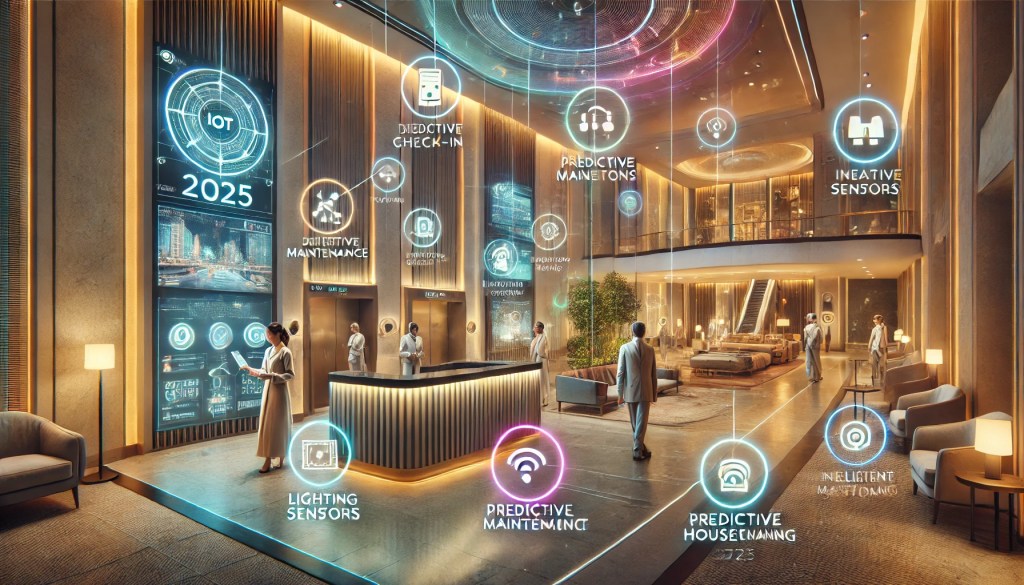
In the competitive world of hospitality, exceptional guest experiences and efficient operations have always been the cornerstones of successful hotel management. Today, the Internet of Things (IoT) is reshaping this landscape, offering hotel managers and staff unprecedented tools to streamline services, personalize guest interactions, and reduce costs. By integrating IoT into daily operations, hotels are enhancing comfort, convenience, and efficiency in ways that were unimaginable just a few years ago.
The Modern Hotel: A Smarter Experience
Modern hotels are no longer just places to rest for the night. They are dynamic environments where technology drives everything from room climate control to real-time housekeeping updates. IoT plays a pivotal role in making these spaces more intelligent and responsive. By leveraging connected devices, sensors, and data analytics, hotel management can deliver superior guest experiences, ensure operational efficiency, and improve sustainability practices.
Key IoT Innovations in Hotel Management
1. Personalized In-Room Experiences
Smart rooms equipped with IoT devices allow guests to control lighting, temperature, and entertainment options through a mobile app or voice assistant. Upon check-in, room settings can be automatically adjusted to the guest’s preferences, ensuring a seamless, personalized experience. This not only enhances comfort but also fosters loyalty, as guests appreciate the tailored environment.
2. Energy Efficiency and Sustainability
IoT-enabled devices such as smart thermostats and lighting systems help hotels conserve energy by automatically adjusting settings when rooms are unoccupied. These devices monitor energy usage in real-time, providing actionable insights to hotel managers. Over time, this reduces utility bills and minimizes the hotel’s environmental footprint, aligning with the growing demand for sustainable travel options.
3. Predictive Maintenance and Equipment Monitoring
IoT sensors embedded in HVAC systems, elevators, and kitchen appliances monitor equipment performance and alert staff before breakdowns occur. This predictive maintenance approach reduces downtime, extends the lifespan of equipment, and ensures that guest services run smoothly without interruptions.
4. Enhanced Housekeeping and Facility Management
IoT solutions can streamline housekeeping tasks by alerting staff when guests leave their rooms, making it more efficient to clean without disturbing them. Additionally, sensors can detect room conditions—such as open windows or running water—helping staff address issues quickly and maintain a high standard of cleanliness and functionality.
5. Streamlined Check-In and Check-Out Processes
Smart locks and mobile room keys powered by IoT eliminate the need for physical keys or cards. Guests can check in and access their rooms through their smartphones, bypassing traditional front-desk queues. This enhances convenience and reduces staff workload, enabling them to focus on delivering exceptional service elsewhere.
6. Real-Time Data and Insights
IoT platforms collect vast amounts of data on guest preferences, operational performance, and energy usage. Hotel managers can leverage this data to identify trends, improve services, and make more informed business decisions. For instance, knowing which amenities are most used can guide future investments, while tracking peak occupancy times can help optimize staffing.
Challenges and Considerations
Despite its many benefits, integrating IoT into hotel management is not without challenges. Ensuring robust cybersecurity is paramount, as connected devices can be vulnerable to hacking. Additionally, training staff to use new technologies and maintaining device interoperability can be complex. The initial investment in IoT infrastructure may also be significant, but the long-term gains often justify the costs.
Looking Ahead: The Future of IoT in Hotel Management
As IoT technology evolves, its impact on hotel management will only grow. Advances in AI and machine learning will allow IoT systems to anticipate guest needs more accurately and adapt services in real-time. Blockchain integration could enhance security and streamline loyalty programs, while 5G connectivity will support faster, more reliable IoT networks.
Moreover, the increasing emphasis on sustainability will drive hotels to adopt more energy-efficient IoT solutions, helping them meet regulatory requirements and appeal to eco-conscious travelers. By continuing to embrace IoT innovations, hotels will remain competitive, enhance guest satisfaction, and operate more efficiently in an ever-changing industry landscape.
In 2025, IoT is no longer a luxury for hotel management—it’s a necessity. By transforming in-room experiences, optimizing energy usage, enabling predictive maintenance, and improving staff efficiency, IoT helps hotels stay ahead of the curve. As these technologies advance, their role in shaping the future of hospitality will only become more significant, ensuring that hotels can consistently deliver exceptional service, comfort, and sustainability to their guests.
Tags
• #IoT
• #HotelManagement
• #SmartHospitality
• #ConnectedHotels
• #IoTInHospitality
• #SmartHotelTechnology
• #EnergyEfficientHotels
• #IoTSolutions
• #PredictiveMaintenance
• #SustainableTravel
• #SmartLocks
• #IoTInHospitalityIndustry
• #TechInHotels
• #FutureOfHospitality
• #DigitalHotelManagement
• #IoTInHotels
• #SmartHotelRooms
• #HotelTechnology
• #HospitalityInnovation
• #IoTInTourism
 Kk Smart Living
Leave a comment